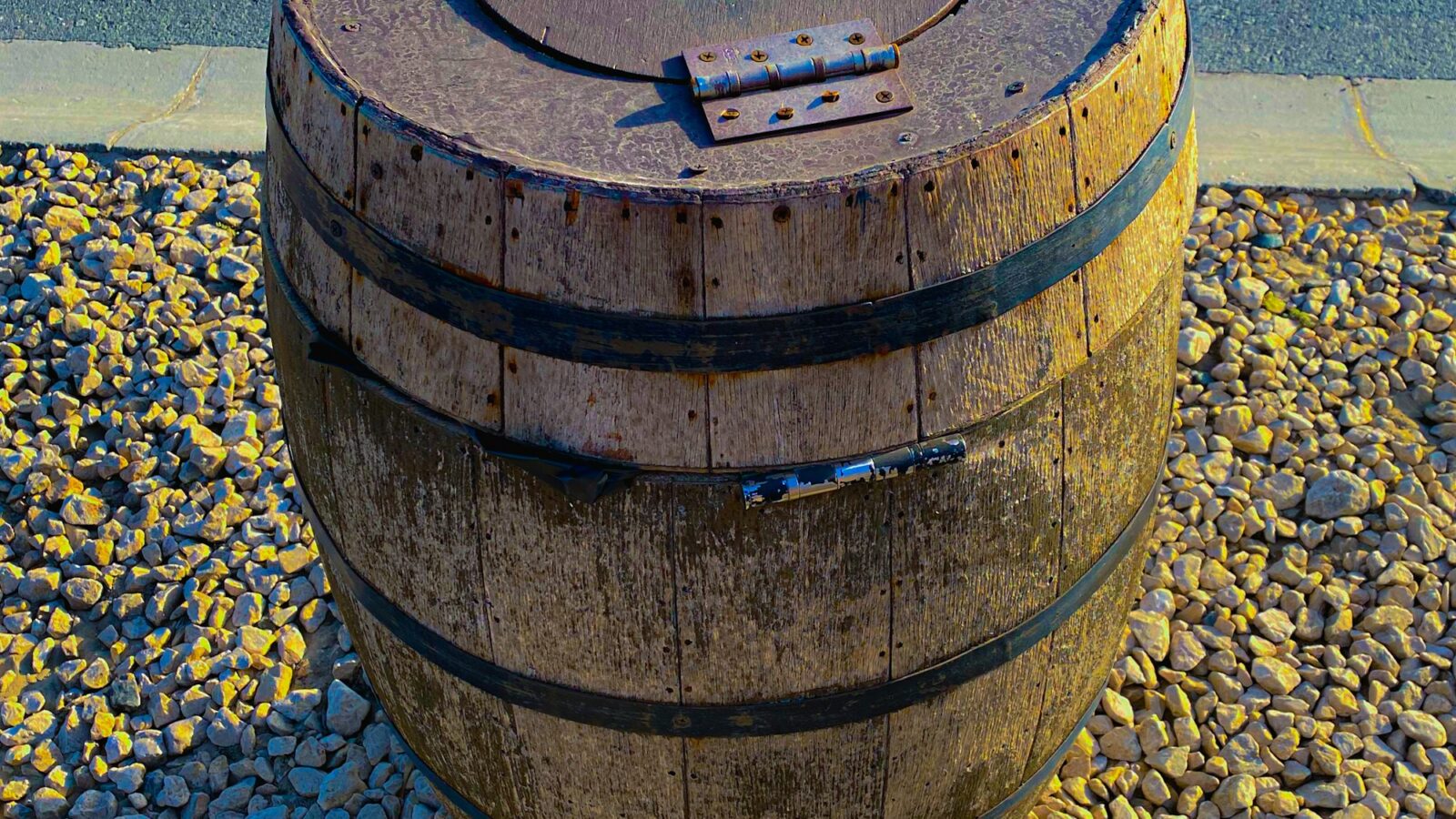
Fault Line makes wine in small lots, and it’s tempting to assume that’s purely a romantic choice — the appeal of “small-batch” as a label. Some of it is genuinely just practical: a warehouse winery with a small crew and no estate acreage isn’t built to process hundreds of tons. But the size is also a deliberate choice we’d keep even if we could scale it up.
What a small lot actually lets you do
A smaller fermentation is easier to taste through carefully, more often, and adjust in response — punch-downs, temperature, when exactly to press — without those decisions getting made on autopilot because there are forty other tanks also needing attention that day. It’s more labor per gallon, not less, which is the actual cost of staying small.
Small-batch also means more, smaller decisions
Buying fruit from several different growers instead of one estate already means more variability lot to lot — different vineyards, different picking dates, sometimes different clones of the same grape. Keeping the lots small and separate through fermentation, rather than blending everything together early to simplify the work, is what lets us actually taste what each vineyard is doing on its own before deciding what belongs together in the final blend.
The honest limit of this approach
The real constraint isn’t romantic either — it’s that a warehouse crew this size can only carefully tend so many tanks at once. Staying small isn’t a marketing position we could abandon quietly if it became inconvenient; it’s close to the actual ceiling of what a hands-on winemaking process at this scale can responsibly manage.
See what a small lot from a specific vineyard actually tastes like — browse the current releases.