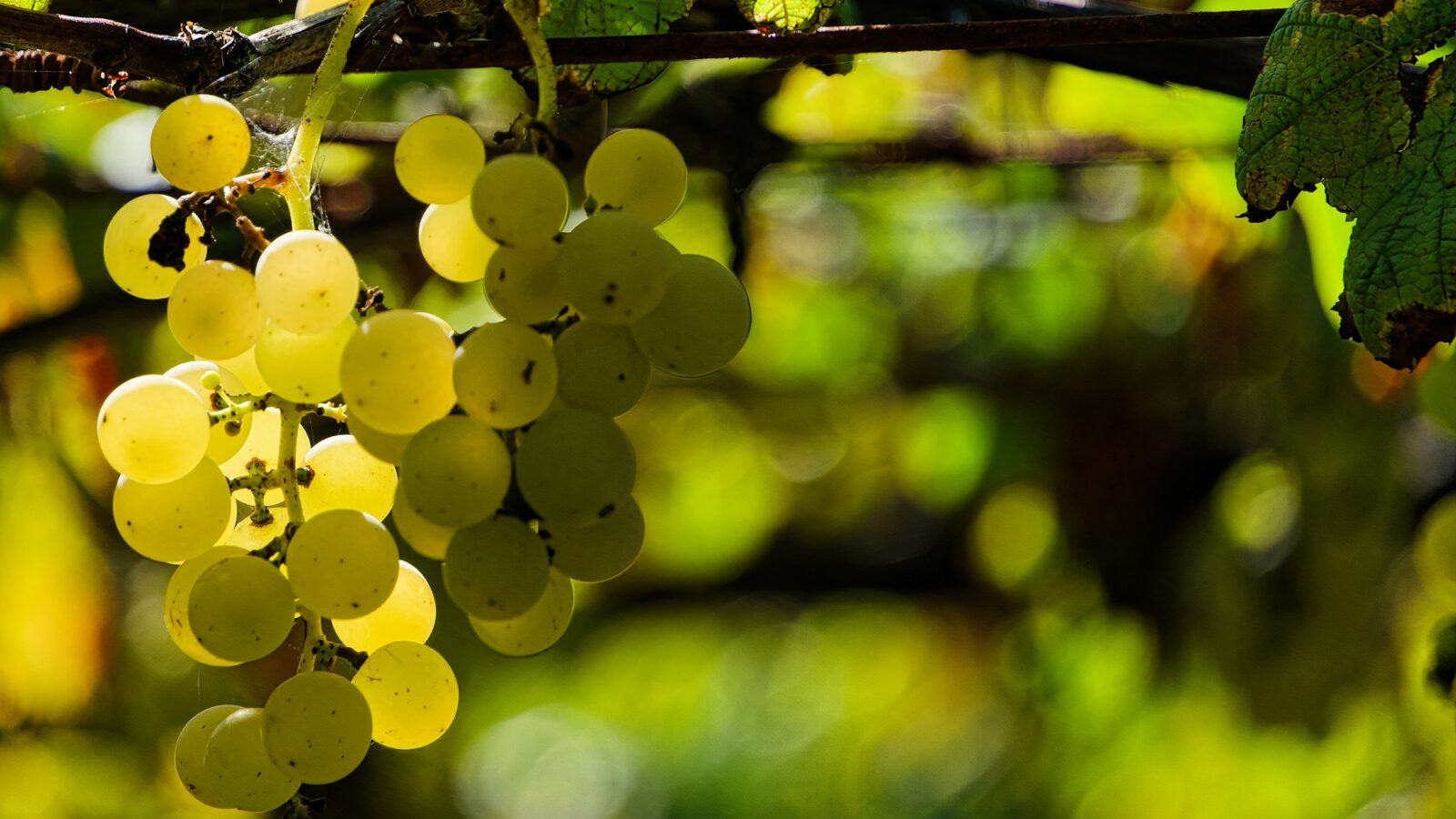
Every lot that comes into Fault Line starts with a grower, not a vineyard we own. That’s the part of the small-batch, sourced-fruit model that’s easy to gloss over — it means the actual quality of what ends up in the bottle depends entirely on relationships with people who are farming land we don’t control.
Why we don’t buy on spec
Buying fruit “on spec” — picking whoever has tonnage available that matches a target price — is the easy way to source, and it’s also how a lot of mediocre urban wine gets made. We work harvest after harvest with the same small group of growers instead, which means we know, block by block, which rows tend to ripen evenly and which grower actually walks their own vineyard instead of managing it from a spreadsheet.
What years of the same relationship buys you
A grower who’s sold us fruit for several vintages in a row already knows what we’re going to ask for before we ask — a specific pick date instead of the earliest convenient one, a smaller crop load for concentration instead of maximum tonnage. That kind of cooperation doesn’t come from a one-off purchase order. It comes from having shown up, vintage after vintage, and having been straightforward about what we needed and why.
The trade-off, honestly
Not owning the vineyard also means not fully controlling it. A grower makes the final call on their own farming decisions, and a bad year for them is a bad year for us too, with less recourse than an estate winery has over its own ground. We’ve made peace with that trade because the alternative — vertical control over land we’d have to buy at Napa or Sonoma prices — isn’t actually available to a winery built the way Fault Line is built.
Taste the fruit these relationships produce — every current release lists which vineyard it came from.